

Seniors Cruise Insurance: Expert Coverage for Over 50’s, 60’s, 70’s & 80’s
Retirement is your time to explore the world—and cruising offers the perfect way to see multiple destinations in comfort and style. But as a mature traveller, you deserve insurance that understands your unique needs and provides comprehensive protection specifically designed for seniors cruising in their golden years.
Our team of experts will provide you with cruise insurance to suit you
We Proudly Partner With The Following Insurers;





As New Zealand’s cruise insurance specialists, we provide tailored seniors cruise insurance for travellers over 50, 60, 70, and even 80+. Whether you’re taking your first retirement cruise or you’re a seasoned senior cruiser, we ensure you’re fully protected with realistic premiums (no age-gouging), comprehensive medical coverage including pre-existing conditions, and 24/7 emergency support designed specifically for mature travellers.
Why Seniors Trust Our Cruise Insurance
- ✓ Coverage Up to Age 85+ – We don’t discriminate based on age
- ✓ Pre-Existing Conditions Specialists – Most conditions covered with assessment
- ✓ Realistic Premiums – Fair pricing without age-gouging
- ✓ Unlimited Medical Coverage – Full protection at sea and ashore
- ✓ Comprehensive Medical Screening – Accurate quotes for your health
- ✓ 24/7 Emergency Assistance – Expert support when you need it most
-
Important: Don’t assume you can’t get cruise insurance because of your age or medical history. We specialize in finding coverage for mature travellers and regularly insure seniors with controlled conditions like hypertension, diabetes, previous heart issues, arthritis, and more.
-
 Couples Cruise InsuranceSpecialised cover for scenic river cruising through Europe, Asia, and beyond. Protection for medical expenses, trip disruption, itinerary changes, and travel delays—tailored for the unique needs of river cruise travellers. Enjoy peace of mind as you explore waterways from the Danube to the Mekong.
 -
 Cruise Insurance TipsComprehensive protection for your ocean cruise adventure. Cover for medical emergencies, cabin confinement, missed ports, trip cancellation, and emergency evacuation—whether you're sailing domestically or internationally.
 -
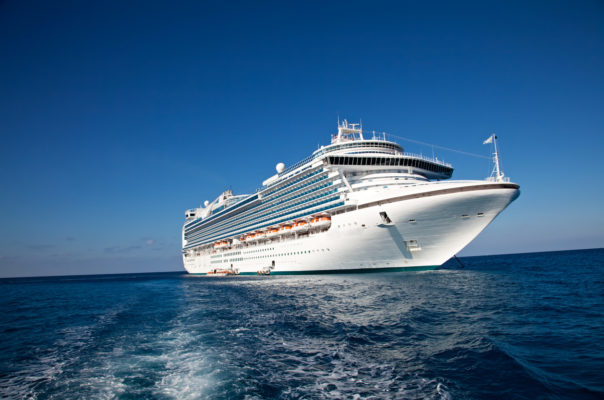 Cruising The PacificExpert cover for tropical paradise cruising to Fiji, Vanuatu, New Caledonia, Samoa, and beyond. Protection for medical emergencies in remote islands, evacuation from tropical destinations, missed excursions, and trip cancellation. Affordable premiums for New Zealand's most popular cruise region—get your quote in minutes.
Comprehensive Coverage for Senior Cruisers
Unlimited Medical Expenses
Every senior deserves unlimited medical coverage when cruising. Our policies include:
- Emergency consultations with ship’s doctors – All onboard medical visits covered
- Medications and prescriptions – Emergency medication replacement and new prescriptions
- Diagnostic tests and procedures – X-rays, blood tests, ECGs, ultrasounds
- Surgery and hospital admissions – Onboard or ashore if evacuated
- Intensive care if required – Critical care without dollar limits
- Specialist consultations – Cardiologists, orthopedists, geriatric specialists
- Post-operative care and rehabilitation – Extended care if needed
- Ongoing treatment – If hospitalization extends beyond cruise
Why Unlimited Medical is Essential for Seniors: A heart attack requiring surgery, ICU care, and repatriation can easily exceed $200,000. Stroke treatment with extended rehabilitation can cost $150,000+. Without unlimited coverage, you could face financial ruin from a single medical emergency.
Emergency Medical Evacuation
Medical evacuation is one of the most critical—and expensive—aspects of cruise insurance for seniors:
- Helicopter evacuation from ship to shore – When ship’s medical facilities insufficient
- Air ambulance to nearest adequate facility – May require transport to major city hospitals
- Medical escort if unable to travel alone – Doctor or nurse accompanies you
- Specialized equipment if required – Oxygen, cardiac monitoring, life support
- Medical repatriation to New Zealand – Return home when medically fit to travel
- Accompanying person costs – Spouse/companion accommodation and transport
- Communication with NZ medical team – Coordination with your regular doctors
Real Example:
A 72-year-old New Zealand man suffered a stroke while cruising in the Pacific. Helicopter evacuation to Fiji hospital: $18,000. Hospital treatment and surgery: $45,000. Air ambulance with medical team back to Auckland: $87,000. Total medical costs: $150,000+. His cruise insurance covered everything—he paid only the policy excess.
Cruise-Specific Benefits for Seniors
Cabin Confinement
If you’re ordered to remain in your cabin due to illness or infectious disease exposure:
- Daily compensation: $150-$250 per 24-hour period
- Coverage for missed shore excursions during confinement
- Compensation for unused onboard facilities
- Meal delivery and medical monitoring covered
- Companion confinement compensation if spouse affected
For seniors, cabin confinement is more common due to vulnerability to contagious illnesses. Norovirus, COVID-19, and respiratory infections spread quickly on ships—proper compensation helps offset lost holiday value.
Missed Port Departure
Seniors face higher risk of missed embarkation due to:
- Medical appointments running late
- Mobility challenges causing delays
- Flight connections with insufficient buffer time
- Lost or delayed medication requiring resolution
Coverage includes:
- Additional transportation costs to join cruise at next port
- Accommodation expenses while catching up to ship
- Meals and assistance during delay
- Communication costs coordinating with cruise line
Pre-Existing Condition Coverage
This is where specialist seniors cruise insurance truly shines. We provide coverage for stable, managed pre-existing conditions including:
- Cardiovascular: Controlled hypertension, previous heart attack (12+ months), angina (stable), stents/bypass (12+ months post-procedure), atrial fibrillation (controlled), pacemaker
- Metabolic: Type 2 diabetes (HbA1c controlled), high cholesterol (medication), thyroid disorders (stable replacement therapy)
- Respiratory: Asthma (no recent hospitalizations), COPD (mild to moderate, stable treatment), emphysema (controlled)
- Musculoskeletal: Arthritis (osteoarthritis, rheumatoid), joint replacements (6+ months recovered), osteoporosis (stable treatment), chronic back pain (managed)
- Previous Major Conditions: Cancer (in remission, specific timeframes), stroke/TIA (12+ months, no complications), kidney stones (previous, no current issues)
- Other: Prostate conditions (benign, stable), diverticulitis (no recent flare-ups), gastric reflux (controlled), sleep apnea (CPAP compliant)
Trip Cancellation Protection
Seniors face unique cancellation risks:
- Health deterioration before departure
- Family emergencies (elderly parents, sick grandchildren)
- Medical procedure rescheduling
- Medication changes requiring monitoring
Full coverage for non-refundable costs:
- Cruise fare (including senior discounts and special rates)
- Flights and transportation
- Pre and post-cruise accommodation
- Pre-booked shore excursions
- Travel documents and visas
- Any other prepaid expenses
Additional Benefits Important for Seniors
Mobility Aid and Medical Equipment Coverage
- Walking aids (canes, walkers, wheelchairs)
- CPAP machines and oxygen equipment
- Hearing aids and glasses
- Blood pressure monitors and diabetes testing equipment
- Replacement costs if lost, stolen, or damaged
Medication Replacement
- Emergency prescription refills if lost or stolen
- Coverage for temperature-sensitive medications
- Pharmacy costs for emergency medications
- Doctor consultation fees for new prescriptions
Extended Trip Interruption
- Return home if medical condition worsens
- Spouse/companion return with you
- Additional accommodation if medically unable to fly immediately
- Wheelchair accessible transport arrangements

Seniors Cruise Insurance Cost Guide
Understanding what senior cruise insurance costs helps you budget appropriately and recognize fair pricing versus age-discriminatory gouging.
Pricing Factors for Senior Travellers
Age Ranges and Premium Impact
Insurance premiums increase with age due to statistical medical risk, but increases should be reasonable:
- Age 50-59: Moderate premiums with good coverage availability
- Age 60-69: Higher premiums but most conditions assessable
- Age 70-79: Significantly higher premiums, more medical screening required
- Age 80-85+: Highest premiums, limited providers, comprehensive screening essential
Medical History Impact
- No pre-existing conditions: Base rate for age group
- One stable condition: 15-40% premium loading
- Multiple stable conditions: 40-80% premium loading
- Complex medical history: Individual underwriting, 80-150% loading possible
Sample Senior Cruise Insurance Costs
| Age & Health | Domestic NZ (7 Days) | Pacific Islands (7 Days) | Australia (10 Days) |
|---|---|---|---|
| Age 55-60 (Healthy) | $180-$320 | $280-$480 | $340-$580 |
| Age 60-65 (Healthy) | $240-$420 | $380-$640 | $460-$780 |
| Age 65-70 (1 condition) | $380-$640 | $580-$980 | $720-$1,180 |
| Age 70-75 (Healthy) | $520-$880 | $820-$1,380 | $1,020-$1,680 |
| Age 70-75 (2 conditions) | $720-$1,180 | $1,120-$1,880 | $1,380-$2,280 |
| Age 75-80 (Healthy) | $780-$1,320 | $1,220-$2,040 | $1,520-$2,520 |
| Age 75-80 (Multiple conditions) | $1,180-$1,920 | $1,820-$2,980 | $2,280-$3,680 |
| Age 80-85 (Assessed individually) | $1,480+ | $2,380+ | $2,980+ |
Note: These are indicative estimates. Actual premiums vary based on specific insurers, exact health status, medications, selected excess, and individual circumstances. Get personalized quotes for accurate pricing.
Money-Saving Tips for Senior Cruisers
- Book Early for Best Rates
Purchase insurance when you book your cruise. Early purchase often qualifies for lower rates and ensures full trip cancellation coverage from booking date. - Choose Appropriate Excess
If you have emergency savings, selecting higher excess reduces premiums significantly:
– $500 excess: ~20% premium reduction
– $1,000 excess: ~35% premium reduction
Choose an amount you can comfortably afford to pay. - Annual Multi-Trip Policies
If you cruise or travel 2+ times yearly, annual policies offer excellent value:
– Cover unlimited trips within 12 months
– Each trip typically up to 60-90 days
– Significantly cheaper than multiple single-trip policies
– Perfect for active retirees - Maintain Good Health Records
Regular doctor visits, medication compliance, and stable health conditions result in better premium assessments. Insurance companies reward well-managed conditions. - Combine with Partner/Spouse
Couples policies are significantly cheaper than two separate singles. If cruising with your partner, always purchase together—typically 30-40% savings. - Compare Multiple Insurers
Senior premiums vary dramatically (40-60%) across providers for identical coverage. Always compare at least 3-5 insurers. We do this comparison work for you. - Consider Domestic Cruises
New Zealand coastal cruises cost significantly less to insure than international voyages, while still providing wonderful experiences. Domestic premiums are 40-50% lower. - Remove Unnecessary Add-Ons
Only include coverage you’ll actually use:
– Skip rental car excess if not driving
– Remove adventure sports if not participating
– Adjust luggage limits to actual value carried - Payment Plans Available
Many insurers offer:
– Direct debit discounts (2-5%)
– Monthly installment options
– Interest-free payment plans
Spread the cost if a large upfront payment is challenging. - Senior Organization Discounts
Some insurers offer discounts for:
– SuperGold Card holders
– Grey Power members
– Senior citizens associations
– Retired professionals groups
Ask about available senior discounts.
Important Pricing Perspective:
Yes, senior cruise insurance costs more than younger travellers pay. But consider this: A 7-day Pacific cruise might cost $3,000. Insurance costing $600 (20% of trip cost) protects against medical bills that could reach $100,000+. That’s not expensive—it’s essential financial protection.
Don’t let premium shock prevent you from getting proper coverage. The alternative—cruising uninsured or underinsured—puts your life savings and financial security at catastrophic risk.

Pre-Existing Medical Conditions for Seniors
Most New Zealanders over 60 have at least one chronic condition. This shouldn’t prevent you from cruising—it just requires proper disclosure and assessment.
The Medical Screening Process
Step 1: Complete Medical Questionnaire
You’ll answer detailed questions about:
- All diagnosed medical conditions (even if currently symptom-free)
- Current medications and dosages
- Recent symptoms, hospitalizations, or emergency department visits
- Surgical history and procedures
- Specialist consultations and ongoing treatment
- Family medical history if relevant to hereditary conditions
- Functional limitations or mobility restrictions
Critical: Be completely honest in medical disclosure. Failing to declare conditions—even those you think are minor or unrelated—can void your entire policy. Insurers access medical records when assessing claims. Full disclosure protects you.
Step 2: Obtain Medical Clearance
Your doctor provides a letter confirming:
- You’re medically fit to undertake cruise travel
- All conditions are stable and well-managed
- Current medication regimen
- Any special precautions or considerations
- Fitness to participate in planned activities
- Doctor’s contact information for emergencies
Step 3: Underwriter Medical Assessment
Insurance medical underwriters evaluate:
- Condition severity and stability
- Treatment effectiveness and compliance
- Prognosis and disease progression
- Age-related risk factors
- Medication side effects or interactions
- Likelihood of exacerbation during travel
- Proximity to adequate medical facilities at destinations
Step 4: Premium Calculation
Your premium is calculated considering:
- Base rate for your age group
- Additional loading for each condition (assessed individually)
- Condition stability duration
- Medication compliance history
- Recent hospitalizations or complications
- Destination medical care availability
- Trip duration
Step 5: Coverage Decision
You’ll receive:
- Accepted conditions: Listed and fully covered
- Excluded conditions: Specific conditions not covered (if any)
- Premium breakdown: Showing how your rate was calculated
- Special conditions: Any requirements or restrictions
- Policy documents: Complete terms and coverage details
Commonly Accepted Conditions for Seniors
With proper disclosure and medical clearance, we regularly provide coverage for:
Cardiovascular Conditions
- Hypertension (High Blood Pressure): Stable medication for 3+ months, blood pressure controlled below 160/100
- Previous Heart Attack: 12+ months post-event, no complications, cardiologist clearance, stable medication
- Angina: Stable, no recent hospitalizations, medication controlled, exercise tolerance documented
- Coronary Stents: 12+ months post-procedure, no complications, dual antiplatelet therapy compliant
- Coronary Bypass Surgery: 12+ months post-surgery, fully recovered, cardiologist clearance
- Atrial Fibrillation: Rate-controlled or rhythm-controlled, stable anticoagulation, no recent TIAs/strokes
- Pacemaker/ICD: Properly functioning, regular monitoring, no recent adjustments
- Heart Valve Disease: Mild to moderate, stable, regular monitoring, medication compliant if needed
Metabolic Conditions
- Type 2 Diabetes: HbA1c controlled (typically <8.5%), no recent hospitalizations, no complications (neuropathy, retinopathy, nephropathy at early stages acceptable)
- High Cholesterol: Stable statin therapy, regular monitoring, no recent cardiovascular events
- Thyroid Disorders: Hypothyroid or hyperthyroid, stable replacement therapy or treatment, regular blood tests, medication compliant
- Gout: Stable, no recent acute attacks, medication controlled
Respiratory Conditions
- Asthma: No hospitalizations past 12 months, stable inhaler regimen, good control
- COPD/Emphysema: Mild to moderate (FEV1 >50%), stable treatment, no recent exacerbations requiring hospitalization
- Sleep Apnea: CPAP or BiPAP compliant, well-controlled, bringing equipment
- Previous Pneumonia: Fully recovered 6+ months, no complications
Musculoskeletal Conditions
- Osteoarthritis: Any severity, pain managed, functional mobility
- Rheumatoid Arthritis: Stable treatment, no recent flares requiring hospitalization
- Hip/Knee Replacements: 6+ months post-surgery, fully recovered, good mobility
- Osteoporosis: Stable treatment, no recent fractures, appropriate precautions
- Spinal Stenosis: Managed pain, functional mobility, no recent surgery
- Chronic Back Pain: Stable management, no planned surgery
Previous Major Conditions
- Cancer (In Remission): Timeframes vary by cancer type—typically 2-5 years remission required, oncologist clearance essential
- Stroke/TIA: 12+ months post-event, no residual effects or mild only, stable medication, no recent recurrence
- Kidney Stones: Previous episodes, no current symptoms, preventive measures in place
- Diverticulitis: No recent flare-ups (6+ months), dietary management
Other Common Conditions
- Benign Prostatic Hyperplasia: Managed with medication or previous TURP, stable symptoms
- Gastroesophageal Reflux (GERD): Controlled with medication
- Glaucoma: Stable, regular monitoring, medication or surgery completed
- Macular Degeneration: Stable, not rapidly progressing
- Depression/Anxiety: Stable medication 12+ months, no recent hospitalizations
- Benign Essential Tremor: Stable, functional, managed
Conditions Typically Excluded or Difficult to Cover
Some conditions make coverage difficult or impossible:
- Cancer currently undergoing treatment (chemotherapy, radiation)
- Terminal illnesses with limited prognosis
- Severe heart failure (NYHA Class III-IV)
- Severe COPD (FEV1 <30%, oxygen-dependent)
- Kidney failure requiring dialysis
- Recent major cardiac events (<6-12 months)
- Unstable angina with frequent attacks
- Severe cognitive impairment or dementia
- Conditions awaiting diagnosis or test results
- Scheduled surgery or procedures post-cruise booking
If you have complex or multiple conditions, contact us for individual assessment. What seems impossible may have coverage options we can find.
Essential Tips for Senior Cruisers
Before You Book Your Cruise
Choose Senior-Friendly Cruise Lines
Some cruise lines cater better to mature travellers:
- Premium lines: Holland America, Princess, Oceania—larger proportion of senior passengers, slower pace, enrichment programs
- River cruises: Viking, Avalon, AmaWaterways—smaller vessels, cultural focus, less physically demanding
- Expedition cruises: Variety of activity levels, excellent lectures, naturalist guides
- Avoid: Party-focused lines (Carnival), spring break cruises, mega-ships if you prefer quieter experiences
Consider Cruise Duration
- 7-10 days: Ideal for first-time senior cruisers
- 14-21 days: Good for experienced cruisers, more relaxed pace
- 30+ days: World cruises or repositioning—ensure medications sufficient, medical coverage adequate
- Back-to-back cruises: Consider fatigue factor, medication supplies
Verify Medical Facilities
Check cruise line medical capabilities:
- 24/7 medical center with doctors and nurses
- Pharmacy with common medications
- Cardiac monitoring and defibrillators
- Oxygen availability
- Emergency evacuation protocols
- Telemedicine consultations if available
Health Preparation
Medical Check-Up
Schedule appointment with your GP 4-6 weeks before departure:
- Confirm fitness to cruise and travel
- Review all medications and dosages
- Discuss any health concerns
- Obtain medical clearance letter for insurance
- Get prescriptions for extra medications
- Update vaccinations if required for destinations
- Discuss preventive measures (motion sickness, constipation, etc.)
Medication Management
Pack Twice What You Need:
- Original containers with pharmacy labels
- Carry-on luggage (never checked bags)
- Separate prescriptions and medications between luggage (if traveling with spouse)
- List of medications with generic names (brand names vary internationally)
- Dosing schedule and timing
- Doctor’s contact information
Pro Tip: Photograph all medication bottles clearly showing names, dosages, and prescribing doctor. Store photos on phone and email to yourself. If medications lost, you have complete information to obtain emergency refills.
Medical Documentation
Prepare a medical information packet including:
- Current medication list with dosages
- Allergy information (medications, food, environmental)
- Chronic conditions and diagnoses
- Previous surgeries and major medical history
- Doctor contact information (GP and specialists)
- Emergency contacts (family in NZ)
- Insurance policy information and emergency numbers
- Blood type if known
-
Pacemaker/ICD card if applicable
Onboard Safety for Seniors
Prevent Falls
Falls are the leading cause of senior injuries on cruises:
- Wear non-slip shoes at all times (avoid flip-flops)
- Use handrails on stairs and corridors
- Be extra cautious in wet areas (pools, showers, rain)
- Walk slowly and deliberately—ship movement can affect balance
- Use elevators if stairs challenging (no shame in this)
- Request cabin near elevator to minimize walking
- Keep cabin well-lit at night (nightlight for bathroom)
- Avoid rushing—ships wait for passengers
Stay Hydrated
Seniors are more susceptible to dehydration:
- Drink water regularly throughout day
- Limit alcohol and caffeine (dehydrating)
- Carry refillable water bottle
- Be extra cautious in hot climates
- Watch for dehydration signs (dizziness, confusion, dark urine)
Pace Yourself
Cruises can be surprisingly exhausting:
- Don’t feel obligated to participate in every activity
- Schedule rest periods daily
- Skip some shore excursions—relaxing onboard is fine
- Prioritize sleep—maintain regular sleep schedule
- Listen to your body—rest when tired
- Consider sea days as recovery days
Sun Protection
Seniors’ skin is more vulnerable:
- High SPF sunscreen (50+), applied frequently
- Wide-brimmed hat
- Lightweight long-sleeved clothing in tropical climates
- Seek shade during peak sun (10am-2pm)
- Be aware of medication-sun interactions (some medications increase sensitivity)
Shore Excursions for Seniors
Assess Physical Demands
Shore excursions rate difficulty levels:
- Easy: Minimal walking, seated activities, buses with frequent stops
- Moderate: 1-2 hours walking, some stairs, uneven surfaces
- Strenuous: Extensive walking, steep terrain, physically demanding
Be honest about your abilities. Choosing excursions beyond your physical capability can result in injury, exhaustion, or missing ship departure.
Mobility Considerations
If you use mobility aids:
- Book accessible excursions specifically
- Inform tour operators of mobility needs in advance
- Verify bus/boat accessibility
- Consider private tours with customizable pace
- Research port accessibility (some require tender boats)
Time Management
Seniors should allow extra buffer time:
- Return to ship 60+ minutes before departure (not 30 minutes)
- Account for slower walking pace
- Factor in bathroom breaks
- Consider rest needs
- Ships will not wait if you’re late
Independent Shore Exploration
If exploring independently:
- Stay close to port area initially
- Carry ship contact information and cabin number
- Have emergency cash in local currency
- Keep phone charged with international capability
- Travel with companion if possible
- Return well before departure time
- Know how to get emergency assistance
Medical Emergencies Onboard
When to Seek Medical Attention
Don’t delay seeking help for:
- Chest pain or pressure
- Difficulty breathing
- Sudden severe headache
- Confusion or disorientation
- Weakness or numbness (especially one-sided)
- Severe abdominal pain
- High fever
- Uncontrolled bleeding
- Falls with injury
- Severe allergic reactions
Early intervention is critical. Ship’s medical centers are equipped for emergencies, but early treatment yields better outcomes.
Working with Ship’s Medical Team
- Bring your medical information packet
- Clearly explain symptoms and concerns
- Mention all medications you’re taking
- Ask questions about diagnosis and treatment
- Request written documentation of all treatment
- Contact your travel insurance immediately
- Keep all receipts and medical reports
- Follow up with your NZ doctor upon return

Get Your Seniors Cruise Insurance Quote Now
Comprehensive cruise insurance for seniors covering missed ports, cabin confinement, itinerary changes, and trip cancellations—protecting both your health and your holiday investment for that complete peace of mind.
Our team of experts can provide you with a cruise insurance policy or wider travel insurance option to cover all eventualities. Its certainly worth talking to the experts or get a quote online to cover your voyage.
Frequently Asked Questions – Seniors Cruise Insurance
Q: Can I get cruise insurance if I’m over 70 years old?
Absolutely. We specialize in coverage for seniors over 70, 75, 80, and even 85+. While premiums are higher due to statistical medical risk, comprehensive coverage is definitely available. Many of our clients are in their 70s and 80s. Don’t assume age alone disqualifies you—we’ll find coverage options for your specific circumstances.
Q: Will my pre-existing conditions be covered?
Most stable, well-managed pre-existing conditions can be covered with proper medical disclosure and assessment. Common conditions like high blood pressure, diabetes, previous heart attack (12+ months), arthritis, and controlled asthma are regularly covered. You’ll need medical clearance from your doctor and will pay additional premium based on risk assessment, but coverage is usually available. Complex or unstable conditions may be excluded or declined.
Q: How much does seniors cruise insurance typically cost?
Costs vary significantly based on age, health, destination, and trip duration. As general guidance: ages 60-69 might pay $380-$640 for a 7-day Pacific cruise; ages 70-75 might pay $820-$1,380; ages 75-80 might pay $1,220-$2,040. These are base rates for healthy seniors—pre-existing conditions increase premiums 20-80% depending on severity. While more expensive than younger travellers, proper coverage is essential financial protection.
Q: Do I need cruise insurance for a domestic New Zealand cruise?
Yes, absolutely. Even on NZ coastal cruises, ships enter international waters where public healthcare doesn’t apply. You’re personally liable for all onboard medical treatment and emergency evacuation. With age-related health risks higher, this protection is even more critical for seniors. Domestic cruise insurance is significantly cheaper than international policies (40-50% less) but equally essential.
Q: What if I take multiple medications—will this affect my coverage?
Taking multiple medications doesn’t automatically disqualify you or significantly increase premiums—it’s the underlying conditions being treated that matter. Be prepared to list all medications, dosages, and what they treat. Well-managed conditions with stable medications often qualify for coverage. The key is honest disclosure and medical clearance showing your conditions are controlled.
Q: Can my spouse and I get coverage together even if one of us has medical conditions?
Yes. Couples policies are available even when one partner has pre-existing conditions. The healthy partner is assessed at standard rates while the partner with conditions receives individual medical assessment. You’ll still save significantly (30-40%) compared to two separate single policies. This is one of the best features of couples cruise insurance for seniors.
Q: What if I need to cancel because my health worsens before the cruise?
If you develop a new condition or experience exacerbation of an existing condition that prevents you from cruising (with medical certification), trip cancellation coverage reimburses your non-refundable costs. This is why purchasing insurance immediately after booking is crucial—it provides maximum cancellation protection from that point forward. If your health deteriorates after booking but before purchasing insurance, that change may not be covered.
Q: Are there any activities or excursions excluded for seniors?
Standard cruise insurance covers typical shore excursions and onboard activities. High-risk activities (scuba diving, skydiving, bungee jumping) typically require additional coverage or may be excluded for seniors. Always check your policy’s activity exclusions and declare any adventurous activities you plan. Most senior cruisers’ activities fall well within standard coverage.
Q: What happens if I need emergency medical evacuation from the ship?
If ship’s medical facilities are insufficient for your condition, comprehensive cruise insurance covers: helicopter or boat evacuation from ship to shore, air ambulance to nearest adequate medical facility, medical escort if needed, specialized equipment (oxygen, cardiac monitoring), treatment at destination hospital, and medical repatriation to New Zealand when fit to travel. Without insurance, these costs can exceed $100,000. Your policy also covers your travelling companion’s additional accommodation and transport costs.
Q: Can I purchase insurance after I’ve already booked my cruise?
Yes, but purchase as soon as possible after booking—ideally within 7-14 days of initial deposit. Many trip cancellation benefits only apply if insurance is purchased shortly after booking. Delaying purchase means you’re not covered for cancellation if health issues arise between booking and purchasing insurance. For maximum protection, buy insurance the same day you book your cruise.

Cruise Insurance for Over 50’s and Seniors:
Specialised Senior Cruise Cover – We specialize in cruise insurance for mature travellers however active you are:
- Coverage available for travellers up to 85+ years
- Realistic Premiums—we don’t age-gouge like many insurers
- Comprehensive medical screening for accurate quotes
- Experience handling age-related health concerns
- Understanding of mobility needs and cruise accessibility
- Complete Peace of Mind from the cruise insurance experts.
Senior-Specific Benefits:
Pre-existing medical condition coverage (see below)
Extended trip duration options (up to 18 months under 70, 6 months over 70)
Assistance with pre-trip medical documentation
Emergency family notification and coordination
Flexible cancellation policies understanding health uncertainties
Pricing: From $420 for couple aged 60-69 on a 7-day Pacific cruise (no pre-existing conditions).
Cruise Insurance for Pre-Existing Medical Conditions:
One of our specialties is providing cruise insurance for New Zealanders with pre-existing medical conditions. We believe your medical history shouldn’t prevent you from experiencing the joy of cruising regardless of where you are exploring around the World and without limitations on excursions you decide to undertake maybe except sky diving with a heart condition) so take a look below:
A pre-existing condition is any illness, injury, or medical condition for which you’ve received medical advice, treatment, or medication. The condition would need to have existed before purchasing insurance whether diagnosed or not. You may or may not currently be symptomatic, common examples include:
- Heart conditions (angina, heart attack, stents, bypass surgery)
- High blood pressure (hypertension)
- Diabetes (Type 1 and Type 2)
- Respiratory conditions (asthma, COPD, emphysema)
- Cancer (current or previous)
- Joint conditions (arthritis, hip/knee replacements)
- Mental health conditions
- Thyroid disorders
- Digestive conditions (Crohn’s, colitis, diverticulitis)
Not sure what to do ? Simply get a quote from our team of cruise insurance experts, complete the online form or call us.

The Benefits Outweigh The Cost
You’ve been planning this cruise for months (possibly years), dreaming about waking up in exotic ports and creating memories that’ll last a lifetime. But here’s what most Kiwis don’t realize: the moment your ship enters international waters—even on a domestic NZ cruise—you’re on your own financially.
Medical emergencies at sea cost tens of thousands, and one unexpected illness could wipe out your savings and ruin years of planning. Getting a free, no-obligation quote takes just 2 minutes and costs you nothing. But not having insurance when something goes wrong?
That could cost you everything. See what protection actually costs before you decide—you might be surprised how affordable peace of mind really is.

Frequently Asked Questions – Seniors Cruise Insurance
Q: Can I get cruise insurance if I’m over 70 years old?
Absolutely. We specialize in coverage for seniors over 70, 75, 80, and even 85+. While premiums are higher due to statistical medical risk, comprehensive coverage is definitely available. Many of our clients are in their 70s and 80s. Don’t assume age alone disqualifies you—we’ll find coverage options for your specific circumstances.
Q: Will my pre-existing conditions be covered?
Most stable, well-managed pre-existing conditions can be covered with proper medical disclosure and assessment. Common conditions like high blood pressure, diabetes, previous heart attack (12+ months), arthritis, and controlled asthma are regularly covered. You’ll need medical clearance from your doctor and will pay additional premium based on risk assessment, but coverage is usually available. Complex or unstable conditions may be excluded or declined.
Q: How much does seniors cruise insurance typically cost?
Costs vary significantly based on age, health, destination, and trip duration. As general guidance: ages 60-69 might pay $380-$640 for a 7-day Pacific cruise; ages 70-75 might pay $820-$1,380; ages 75-80 might pay $1,220-$2,040. These are base rates for healthy seniors—pre-existing conditions increase premiums 20-80% depending on severity. While more expensive than younger travellers, proper coverage is essential financial protection.
Q: Do I need cruise insurance for a domestic New Zealand cruise?
Yes, absolutely. Even on NZ coastal cruises, ships enter international waters where public healthcare doesn’t apply. You’re personally liable for all onboard medical treatment and emergency evacuation. With age-related health risks higher, this protection is even more critical for seniors. Domestic cruise insurance is significantly cheaper than international policies (40-50% less) but equally essential.
Q: What if I take multiple medications—will this affect my coverage?
Taking multiple medications doesn’t automatically disqualify you or significantly increase premiums—it’s the underlying conditions being treated that matter. Be prepared to list all medications, dosages, and what they treat. Well-managed conditions with stable medications often qualify for coverage. The key is honest disclosure and medical clearance showing your conditions are controlled.
Q: Can my spouse and I get coverage together even if one of us has medical conditions?
Yes. Couples policies are available even when one partner has pre-existing conditions. The healthy partner is assessed at standard rates while the partner with conditions receives individual medical assessment. You’ll still save significantly (30-40%) compared to two separate single policies. This is one of the best features of couples cruise insurance for seniors.
Q: What if I need to cancel because my health worsens before the cruise?
If you develop a new condition or experience exacerbation of an existing condition that prevents you from cruising (with medical certification), trip cancellation coverage reimburses your non-refundable costs. This is why purchasing insurance immediately after booking is crucial—it provides maximum cancellation protection from that point forward. If your health deteriorates after booking but before purchasing insurance, that change may not be covered.
Q: Are there any activities or excursions excluded for seniors?
Standard cruise insurance covers typical shore excursions and onboard activities. High-risk activities (scuba diving, skydiving, bungee jumping) typically require additional coverage or may be excluded for seniors. Always check your policy’s activity exclusions and declare any adventurous activities you plan. Most senior cruisers’ activities fall well within standard coverage.
Q: What happens if I need emergency medical evacuation from the ship?
If ship’s medical facilities are insufficient for your condition, comprehensive cruise insurance covers: helicopter or boat evacuation from ship to shore, air ambulance to nearest adequate medical facility, medical escort if needed, specialized equipment (oxygen, cardiac monitoring), treatment at destination hospital, and medical repatriation to New Zealand when fit to travel. Without insurance, these costs can exceed $100,000. Your policy also covers your travelling companion’s additional accommodation and transport costs.
Q: Can I purchase insurance after I’ve already booked my cruise?
Yes, but purchase as soon as possible after booking—ideally within 7-14 days of initial deposit. Many trip cancellation benefits only apply if insurance is purchased shortly after booking. Delaying purchase means you’re not covered for cancellation if health issues arise between booking and purchasing insurance. For maximum protection, buy insurance the same day you book your cruise.
-
Do I really need cruise insurance for a cruise around New Zealand?
-
What's the difference between cruise insurance and regular travel insurance?
-
How much does cruise insurance cost?
-
Will my cruise insurance cover pre-existing medical conditions?
-
When should I buy cruise insurance?
-
What happens if I need to cancel my cruise?
-
Am I covered if I'm confined to my cabin due to illness?
-
Does cruise insurance cover medical emergencies onboard?
-
What if my flight is delayed and I miss my cruise departure?
-
Can I get cruise insurance if I'm over 70 years old?
-
Have more questions?