Cruise Insurance vs. Travel Insurance: Your Ticket to Smooth Sailing or a General Getaway?
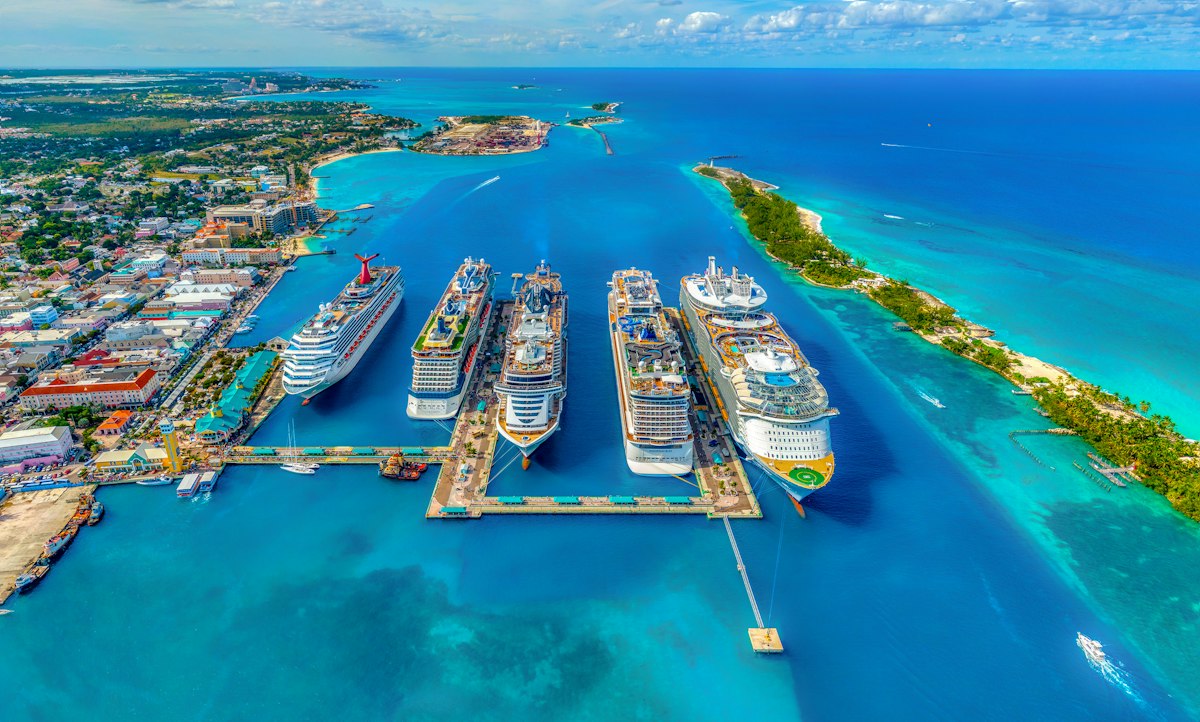
So, you’ve booked the trip. The brochures have been dog-eared, the excursions are meticulously planned, and you’ve already mentally packed your suitcase three times. Whether it’s a sun-drenched voyage through the Caribbean or a majestic Alaskan glacier tour, a cruise is the epitome of a floating holiday. But before you start practicing your shuffleboard technique, there’s a critical, less-glamorous task: protecting your investment. Enter the great debate—cruise insurance versus standard travel insurance. Is there a difference? Oh, dear traveller, grab a deck chair and let’s dive into the deep end of this crucial decision.
The Allure of the Open Sea: Why Cruises Are a Different Beast
First, let’s understand why a cruise isn’t just another trip. It’s a moving resort, a multi-destination journey, and a logistical ballet all in one. Think about it:
- You’re on a Ship: This isn’t a hotel you can Uber away from. Mechanical failures, adverse weather, and itinerary changes are real possibilities.
- The Itinerary is King: Missing the boat in Barcelona isn’t like missing a train. You could be left behind, facing significant costs to meet the ship at the next port.
- Medical Realities: While ships have infirmaries, serious illness or injury often requires medical evacuation via helicopter or treatment in a foreign port—a staggeringly expensive prospect.
- Unique Perks: You’ve pre-paid for specialty dining, shore excursions, and maybe even a beverage package. Standard insurance might not fully cover these niche, non-refundable costs.
This unique ecosystem is why specialized cruise insurance exists. It’s not just marketing; it’s a tailored life jacket for your specific type of voyage.
Breaking Down the Policies: A Side-by-Side Comparison
Let’s put these two insurance types under the microscope. Imagine standard travel insurance as a reliable sedan—it gets you from A to B safely. Cruise insurance, however, is the all-terrain vehicle with a snorkel and satellite phone, built for the specific challenges of the sea.
Standard Travel Insurance: The Generalist
This is your broad-spectrum coverage for most trips—flights, hotels, and tours. Its core components usually include:
- Trip Cancellation/Interruption: Reimburses you if you have to cancel or cut short your trip for a covered reason (like illness, injury, or a family death).
- Emergency Medical & Evacuation: Covers medical costs abroad and can arrange transport to a suitable medical facility.
- Baggage Loss/Delay: Provides compensation if your luggage is lost, stolen, or delayed.
- Travel Delay: Offers funds for meals and accommodation if your flight is significantly delayed.
It’s a solid safety net. But for a cruise, the gaps in this net can be wide enough to let a luxury liner through.
Cruise Insurance: The Specialist
A comprehensive cruise insurance policy includes all the above but layers on cruise-specific protections. When hunting for the best cruise insurance, look for these key add-ons:
- Missed Connection Coverage: This is HUGE. If your flight to the embarkation port is delayed due to reasons outside your control (like an airline strike or major weather event), this covers the cost to catch up to your ship at the next port. Standard policies often have high thresholds for delay coverage that might not activate in time.
- Itinerary Change & Ship-Based Problems: Reimbursement for prepaid excursions if the ship skips a port due to weather or other issues.Other mechanical issues. Some policies even provide a set amount per day if you’re confined to your cabin due to illness (like norovirus).
- Enhanced Medical Evacuation: Evacuation from a ship in the middle of the ocean is a complex, five-figure (or more) operation. The best cruise insurance policies have robust, no-questions-asked medical evacuation services with providers like Medjet or Global Rescue.
- Coverage for “Cancel for Any Reason” (CFAR): While sometimes an add-on, this is a golden ticket. It allows you to cancel your trip up to 48 hours before departure for a reason not listed in the standard policy (like sudden work demands or just a bad feeling) and get a partial refund (typically 50-75%). This flexibility is priceless.
- Coverage for Cruise-Specific Financial Default: Protects you if your cruise line goes bankrupt before you sail.
- Coverage for Unused Port Fees and Onboard Credits: Recoups these specific cruise line charges if your trip is interrupted.
Real-World Scenarios: Where Your Choice Makes All the Difference
Let’s move from theory to the (potentially choppy) waters of reality.
Scenario 1: The Missed Embarkation
- You: Flying from Chicago to Miami for a 4 PM sailaway. A snowstorm grounds your flight.
- With Standard Travel Insurance: Your policy requires a 12-hour travel delay to kick in. Your flight is only delayed 8 hours, so you get nothing. You’re on the hook for last-minute flights to the ship’s first port in the Bahamas.
- With Cruise Insurance: Your missed connection coverage activates after a 3-hour delay. It pays for your new flights, hotel, and meals to meet the ship tomorrow. Crisis averted.
Scenario 2: Medical Emergency at Sea
- You: On a Mediterranean cruise, you develop acute appendicitis.
- With Standard Travel Insurance: It covers medical treatment at the port hospital in Greece. But if the doctor recommends evacuation back to the U.S. for surgery, you might face a $100,000+ bill for the air ambulance.
- With Cruise Insurance: Your policy includes comprehensive medical evacuation. They coordinate and pay for a medically equipped flight to get you home. You focus on recovery, not bankruptcy.
Scenario 3: The Itinerary Wobble
- You: Booked a once-in-a-lifetime snorkeling excursion in Grand Cayman. High winds force the captain to skip the port.
- With Standard Travel Insurance: Your excursion cost is likely not covered, as the reason might be considered a “carrier decision.”
- With Cruise Insurance: Your policy includes “change of itinerary” coverage, giving you a refund for that prepaid, non-refundable excursion.
How to Find the Best Cruise Insurance for Your Voyage
Finding the best cruise insurance isn’t about picking the first link on a search engine. It’s a tailored process.
- Start with Your Cruise Line: They offer policies, which are convenient and often designed for their specific needs. However, compare them carefully. They can be more expensive and sometimes lack the breadth of third-party options.
- Use Comparison Websites Aggregators: Sites like Squaremouth, InsureMyTrip, or TravelInsurance.com allow you to compare dozens of policies from reputable providers (like Allianz, AIG, Travelex, and Berkshire Hathaway) side-by-side. Filter for “cruise” or “missed connection” coverage.
- Read the Fine Print (The “Definitions” Section): This is where the magic (or misery) lies. What exactly is defined as a “missed connection”? How many hours of delay are required? What is the maximum payout for evacuation? Be a detective.
- Consider Your Own Health & Existing Coverage: Check your health insurance for international coverage (it’s often minimal or nonexistent). Check your credit card benefits—some premium cards offer limited travel protection, but it’s rarely sufficient for a complex cruise.
- Buy Early: The single best tip? Purchase insurance within 10-14 days of your first trip deposit. This often locks in eligibility for pre-existing condition waivers and Cancel for Any Reason add-ons, which are invaluable.
The Verdict: To Specialise or Not?
So, what’s the final call?
- Choose Specialised Cruise Insurance if: Your cruise is expensive, involves complex international flights to the port, includes many prepaid excursions, or you simply want the highest level of peace of mind. It is absolutely essential for older travelers, those with health concerns, or anyone on an extended or exotic itinerary (like transatlantic or remote destinations).
- Standard Travel Insurance Might Suffice if: You’re on a short, inexpensive, close-to-home cruise (like a 3-night Bahamas trip from a Florida port you can drive to), you have robust independent health coverage that includes evacuation, and you haven’t pre-paid many extras.
Conclusion: Don’t Cast Off Without It (excuse the pun)
Booking a cruise is an act of optimism—a belief in sunny skies, calm seas, and perfect health. But the seasoned traveler knows that optimism is best paired with pragmatic preparation. Viewing insurance as an unnecessary cost is like viewing a lifeboat drill as a pointless interruption.
The difference between cruise insurance and standard travel insurance is the difference between a generic solution and a custom-fit one. For the unique, concentrated investment that a cruise represents, the specialised coverage isn’t just a line item; it’s an integral part of your vacation. It’s the guarantee that lets you sip that piña colada on the lido deck with true abandon, knowing that whatever the wide ocean throws your way, you’re covered. After all, the best cruise insurance isn’t the one you hope to use; it’s the one that ensures the only waves you encounter are the ones gently lapping against the hull of your ship. Bon voyage, and insure wisely.
Frequently Asked Questions
1. What is the main difference between cruise insurance and standard travel insurance?
Cruise insurance is a specialized type of travel insurance designed specifically for cruises. It includes all the common benefits of standard travel insurance (like trip cancellation and medical coverage) but adds crucial cruise-specific protections such as coverage for missed port departures, itinerary changes, and cabin confinement due to illness.
2. Does my regular travel insurance cover me on a cruise?
It might, but often with significant gaps. While a standard policy may cover medical emergencies and trip interruptions, it frequently excludes the unique risks of a cruise, like missed connections due to delayed flights to the port, ship-based mechanical issues, or specific maritime liabilities. Always review your policy’s fine print carefully.
3. What are the key cruise-specific coverages I should look for?
Essential cruise-specific coverages include “missed connection” protection for delayed travel to the port, “itinerary change” reimbursement for missed ports, “cabin confinement” benefits if you’re quarantined,and coverage for maritime-specific evacuation, which can be extremely costly.
4. Is cruise insurance more expensive than standard travel insurance?
Typically, yes. Cruise insurance is generally priced higher than a basic travel insurance plan due to its broader range of specialized coverages and the higher potential costs of incidents at sea, such as medical evacuation via helicopter or treatment onboard the ship.